Find Out What Soffit Installation Tricks The Celebs Are Making Use Of
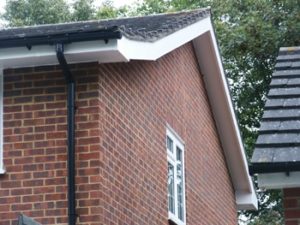
Fascia and Soffit Installation: A Complete Guide
Installing fascia and soffit can substantially enhance the aesthetics of a home while supplying important security against the elements. By functioning as protected barriers at the eaves and edges of the roofline, they avoid water damage, pest problems, and the wear and tear of underlying structural elements. This article explores the value of fascia and soffit, explains their installation procedure, and highlights key points to guarantee a successful task.
Comprehending Fascia and Soffit
Fascia refers to the horizontal boards set up at the rafter ends, forming the roofing system's edge. Generally made from materials such as wood, vinyl, or aluminum, fascia supports the rain gutters and assists with correct roofing system drain. On the other hand, soffit is the material that covers the underside of the eave, supplying ventilation and security from the elements while contributing to the home's total curb appeal.
Secret Functions of Fascia and Soffit:
- Protection: Prevents water infiltration and damage.
- Ventilation: Allows air flow to attic areas, minimizing heat buildup.
- Looks: Defines the roofline and improves the home's appearance.
- Assistance: Serves as a structural element for rain gutters.
Products for Fascia and Soffit
Picking the best materials for fascia and soffit is important for toughness and performance. Here are common products utilized in their installation:
| Material | Advantages | Drawbacks |
|---|
| Wood | Versatile, aesthetically pleasing | Prone to rot, needs maintenance |
| Vinyl | Low maintenance, resistant to fading | Can split in extreme temperatures |
| Aluminum | Durable, weather-resistant | Can damage quickly, more costly |
| Composite | Lightweight, mimics wood aesthetics | Normally more pricey |
Installation Process
Installing fascia and soffit includes a series of actions that demand careful planning and execution. Below is an extensive guide to the installation procedure:
Tools and Materials List
Tools:
- Measuring tape
- Circular saw or miter saw
- Hammer or nail gun
- Level
- Ladder
- Security goggles
- Caulking gun
- Trowel
Materials:
- Fascia boards
- Soffit panels
- Flashing
- Nails or screws
- Primer and paint (if utilizing wood)
- Ventilation devices (if needed)
Step-by-Step Installation:
Preparation:
- Inspect the roofline for signs of damage or decay; replace any broken roofing products.
- Step the length of the fascia boards needed based upon the roofline dimensions.
Remove Old Fascia and Soffit (if appropriate):
- Carefully remove existing fascia and soffit, making sure not to harm surrounding structures.
Install Fascia:
- Cut the fascia boards to size.
- Utilizing nails or screws, secure the fascia boards along the rafter ends, ensuring they are level and correctly aligned.
- Apply a sealant in between the fascia board and the roofing deck for waterproofing.
Install Soffit:
- Determine whether to use aerated or closed soffit panels.
- Cut the soffit panels to size and secure them in location. Ensure enough gaps for ventilation if using ventilated panels.
Completing Touches:
- Install flashing to prevent water invasion at joints.
- Caulk and paint (if needed) to match the home's exterior and make sure a completed appearance.
Final Inspection:
- Once completed, examine the installation for evenness, security, and appropriate positioning.
Frequently asked questions About Fascia and Soffit Installation
Q1: How typically should fascia and soffit be replaced?A1: The replacement frequency mostly depends on the product used, where wood usually lasts 10-15 years, while aluminum and vinyl can last considerably longer with correct maintenance.
Q2: Can I set up fascia and soffit on my own?A2: Yes, if you are comfortable operating at heights and equipped with the right tools, you can install fascia and soffit on your own. Nevertheless, employing a professional ensures safety and quality.
Q3: What type of ventilation is best for soffits?A3: Continuous soffit ventilation offers efficient air flow, promoting appropriate attic ventilation and decreasing wetness accumulation.
Q4: How do I avoid bugs from nesting in my soffits?A4: Installing screens and regular assessments can help ensure no gaps are present where bugs can enter.
Q5: Are there any maintenance tips for fascia and soffit?A5: Regular inspections for damage, cleaning up rain gutters to prevent water overflow, and repainting wood fascia can extend the products' life.
Fascia and soffit play an important function in any roof, serving both practical and visual purposes. By comprehending the materials offered, following a detailed installation process, and knowing what maintenance is required, house owners can considerably enhance their home's appearance and resilience. Whether undertaking the project as a DIY or opting to hire a professional, make sure quality products and techniques are utilized for the best outcomes.