See What Inbuilt Cooker Tricks The Celebs Are Using
The Inbuilt Cooker: A Comprehensive Guide to Modern Culinary Convenience
In the world of modern kitchens, performance and style work together. The inbuilt cooker is an essential appliance that shows this trend, bringing both ease of usage and visual interest cooking spaces. Unlike conventional standalone cookers, inbuilt cookers are integrated straight into cabinets, using a smooth look that improves the total kitchen style. This article explores the different types, advantages, factors to consider, and upkeep tips for inbuilt cookers, together with responses to frequently asked questions.
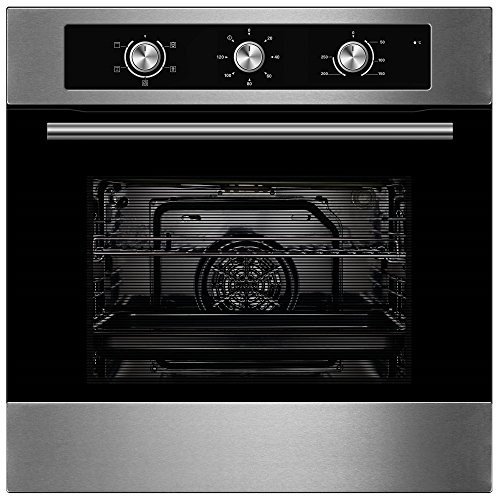
Types of Inbuilt Cookers
Inbuilt cookers been available in various designs and configurations to fit numerous cooking requirements and kitchen designs. The following table sums up the primary kinds of inbuilt cookers available in the market:
| Type | Description | Pros | Cons |
|---|
| Built-in Ovens | Integrated ovens installed into cabinetry | Space-saving, sleek style, various sizes | Installation intricacy, expense |
| Induction Hobs | Cooktops that utilize electromagnetic energy to cook | Quick heating, simple to tidy | Needs suitable cookware |
| Gas Hobs | Cooktops using gas for heat | Exact temperature control | Requires gas line installation |
| Combination Ovens | Ovens that combine traditional and microwave functions | Flexible cooking alternatives | Might be more expensive |
| Steam Ovens | Usage steam convection to cook food | Retains wetness and flavor | Restricted cooking capacity |
Benefits of Inbuilt Cookers
Inbuilt cookers use a myriad of benefits that make them popular options for modern cooking areas. These consist of:
Space Efficiency: Inbuilt cookers are created to fit snugly into kitchen cabinetry, making effective usage of kitchen space and permitting a more structured appearance.
Enhanced Aesthetics: Their smooth integration contributes to a streamlined and modern kitchen style, removing clutter from countertops.
Improved Functionality: Many inbuilt cookers featured innovative functions like smart technology, which allows users to manage cooking settings by means of smart device apps.
Variety of Options: Consumers can pick from a range of designs and fuel types, including electric, gas, and even solar choices, supplying versatility to meet personal cooking choices.
Increased Safety: Built-in systems frequently include safety features such as auto shut-off, making them much safer than standard cookers.
Factors to consider When Choosing an Inbuilt Cooker
While the benefits of inbuilt cookers are clear, prospective purchasers need to think about several aspects before buying:
Space and Measurements: Ensure your kitchen has sufficient area for the inbuilt cooker and think about the measurements of the system relative to your cabinets.
Fuel Type: Decide in between electric, gas, or other combustion types based on your cooking needs and kitchen setup.
Cooking Preferences: Assess the types of meals you typically prepare and select a cooker that provides the features and functions you require.
Spending plan: Inbuilt cookers can differ significantly in price. It's important to set a spending plan that considers both the purchase rate and prospective setup costs.
Setup Requirements: Some inbuilt cookers might need professional installation, particularly gas models. Be sure to factor this into your general project expenses.
Upkeep Tips
To guarantee the longevity and efficiency of an inbuilt cooker, regular upkeep is important. Here are some essential suggestions:
Regular Cleaning: Clean the surface areas and interiors according to the maker's guidelines. Prevent abrasive cleaners that might scratch or harm surfaces.
Inspect Seals and Gaskets: Periodically check door seals and gaskets for wear and tear, as this impacts cooking effectiveness and energy intake.
Calibrate Temperature Settings: Test the temperature level settings periodically to guarantee accurate cooking efficiency.
Expert Servicing: Schedule regular expert evaluations, specifically for gas designs to guarantee safety and appropriate performance.
Frequently Asked Questions
1. Are inbuilt cookers more costly than standalone models?
Inbuilt cookers can be more pricey due to their sophisticated functions and built-in style, but they likewise provide improved visual appeals and functionality, which may validate the financial investment.
2. Can I install an inbuilt cooker myself?
While some models have easy to use plug-in alternatives, professional installation is generally advised, particularly for built-in gas cookers that require proper ventilation and security checks.
3. What are the advantages of induction hobs compared to gas hobs?
Induction hobs warm up much faster, are usually more secure since they do not produce an open flame, and are easier to clean up due to the flat surface area. However, they require suitable pots and pans and may have greater in advance costs.
4. How can I enhance the efficiency of my inbuilt cooker?
Use the suitable cooking settings for various types of food, keep the interior and outside clean, and make sure proper sealing and insulation to enhance effectiveness and minimize energy intake.
5. What functions should I look for in an inbuilt oven?
Consider features such as self-cleaning functions, programmable settings, temperature level probes, and smart innovation abilities for enhanced benefit.
Inbuilt cookers represent a fusion of performance and style that empowers home cooks to explore their culinary passions with ease and performance. As they are available in different types to suit diverse cooking designs and kitchen styles, comprehending their advantages and factors to consider permits customers to make informed options about this essential kitchen home appliance. With appropriate installation and upkeep, an inbuilt cooker can end up being an important possession in any contemporary kitchen, making cooking a pleasurable and worry-free experience.