3 Common Causes For Why Your Quality Guttering Isn't Working (And What You Can Do To Fix It)
Quality Guttering: The Essential Guide to Proper Drainage Systems
Guttering plays a crucial function in the health and maintenance of a building. Its main function is to gather and divert rainwater far from roofing systems and foundations, thus avoiding damage and ensuring longevity. Quality guttering is important for protecting homes and commercial structures alike from a myriad of possible concerns, varying from water infiltration to structural damage. This short article explores the importance of quality guttering, the various types offered, the products utilized, and maintenance ideas, providing a thorough guide for homeowner.
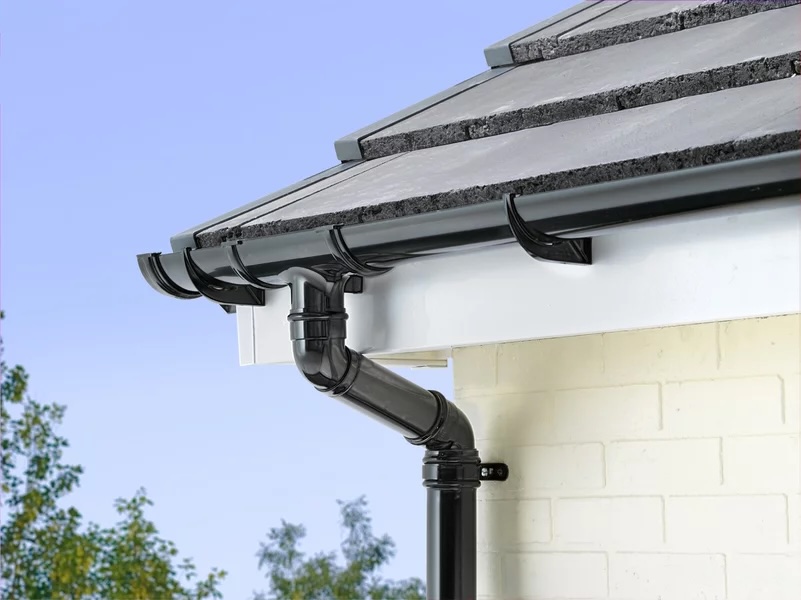
Value of Quality Guttering
Quality guttering is not just a visual addition to a building; it serves several crucial functions:
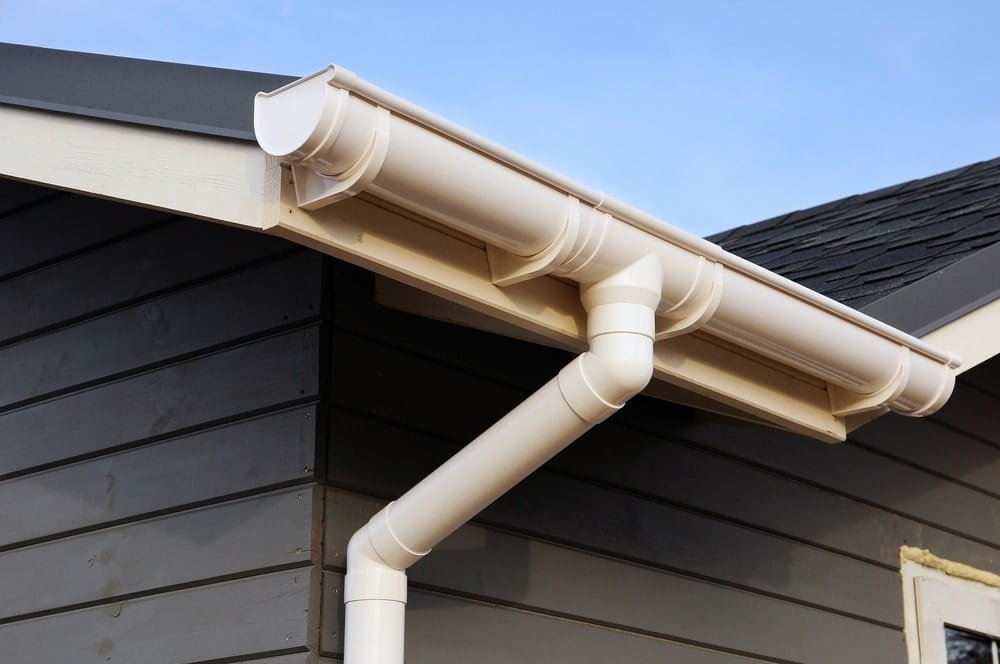
Water Diversion: Properly installed guttering systems channel rainwater far from structures, safeguarding foundations from water-related concerns like settling and fractures.
Avoiding Erosion: Quality guttering can prevent soil erosion around the residential or commercial property, maintaining landscaping and preventing costly repairs.
Mold and Mildew Prevention: By directing water away from walls and roofing systems, guttering decreases the risk of mold and mildew, promoting a much healthier living environment.
Preserving Exterior: Adequate gutter systems keep exteriors free from water stains and damage, which can deteriorate products like wood and brick with time.
Enhancing Property Value: A properly maintained gutter system improves curb appeal and increases overall home value.
Kinds of Guttering
Guttering comes in different types, each matched for specific needs and visual choices. Below is a list of some typical kinds of guttering systems:
1. K-Style Gutters
- Most common type utilized in homes.
- Offers a flat bottom and an ornamental front.
- Available in different widths and depths.
2. Half-Round Gutters
- Semi-circular shape.
- Provides a traditional appearance ideal for historical homes.
- Can manage large volumes of water however may need more frequent cleaning.
3. Box Gutters
- Normally concealed within the roof structure.
- Serves big commercial buildings or flat-roofed homes.
- Ideal for big water volumes however requires professional installation.
4. Gutter Guards
- Extra protection to keep out debris.
- Lowers maintenance needs substantially.
- Readily available in numerous materials and designs.
- Tailor-made on-site to fit the structure.
- Decreases the possibilities of leakages due to fewer seams.
- More pricey but often worth the financial investment.
Guttering Materials
When picking quality guttering, the product is essential. Each product has its pros and cons, which affect durability, expense, and appearance.
| Material | Pros | Cons |
|---|
| Aluminum | Lightweight, rust-resistant, affordable. | Can dent quickly, reveals scratches. |
| Copper | Extremely long lasting, visually appealing. | Extremely costly, oxidizes in time. |
| Vinyl | Light-weight, simple to install, affordable. | Not as long lasting, can crack in cold. |
| Steel | Really strong, resilient. | Prone to rust, heavy. |
| Zinc | Long-lasting, corrosion-resistant. | Pricey, requires professional installation. |
Maintenance Tips for Quality Guttering
Correct maintenance of gutter systems is vital to guarantee they function successfully and last longer. Here are some best practices to follow:
Regular Cleaning: Clear leaves, particles, and dirt from gutters a minimum of two times a year, or more frequently throughout heavy fall seasons.
Look for Damage: Inspect gutters and downspouts for indications of rust, cracks, or damage; carry out repairs promptly.
Ensure Proper Sloping: Gutters ought to have a minor slope toward downspouts to permit reliable water flow. Check the slope during examinations.
Display Water Flow: After heavy rains, ensure gutters and downspouts are directing water away from the structure. Keep an eye out for pooling or locations that might show an obstruction.
Invest in Gutter Guards: Gutter guards can prevent debris from entering, therefore lowering the frequency of cleaning.
Frequently Asked Questions About Quality Guttering
Q1: How often should I clean my gutters?
A: It is recommended to clean gutters a minimum of twice a year, ideally in spring and fall. However, if trees are close by, more regular cleaning may be needed.
Q2: What are the indications that my gutters require repair?
A: Signs consist of sagging gutters, water spots on the exterior walls, noticeable rust, mold around the foundation, and pooling water near the property.
Q3: Can I set up gutters myself?
A: While DIY installation is possible, working with a professional is generally recommended for a seamless fit, particularly for complex systems or materials.
Q4: What are gutter guards, and do I require them?
A: Gutter guards are protective screens positioned over the gutters to avoid particles build-up. They can conserve time on cleaning and are helpful if you reside in a leaf-heavy location.
Q5: How much does quality guttering expense?
A: The cost varies based upon products, type, and installation charges. Usually, homeowners can anticipate to pay between ₤ 5 to ₤ 30 per direct foot, depending upon their options.
Quality guttering is an important element of residential or commercial property maintenance. Comprehending its value, types, products, and maintenance requires empowers residential or commercial property owners to make educated choices. Purchasing top quality guttering and keeping it will protect buildings versus water damage, protect outside visual appeals, and ultimately add to long-lasting residential or commercial property health and value. By addressing guttering proactively, property owners not just secure their investment however likewise improve their living environment.